
Funding for tradies: cover the gap between job and pay

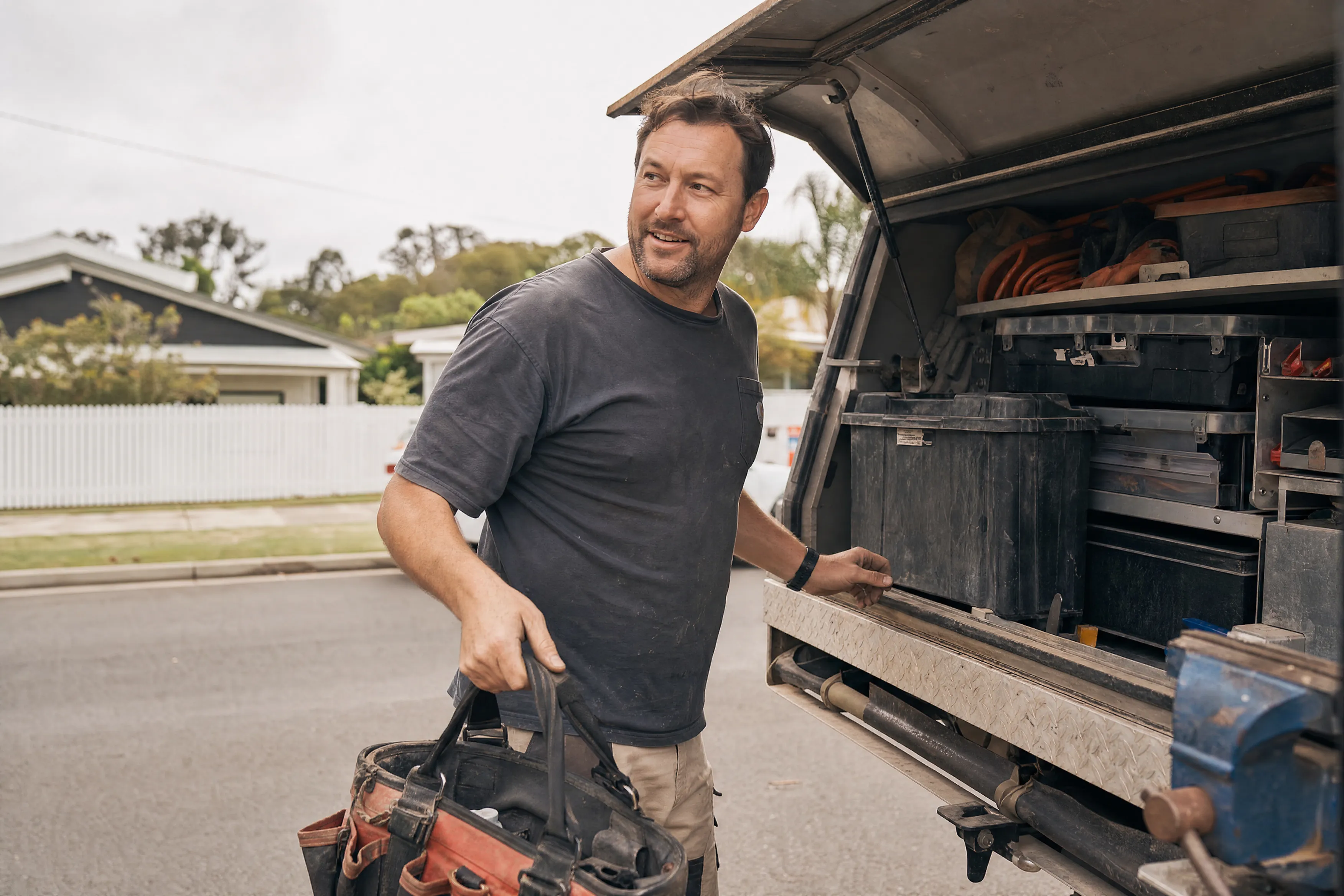
Trades run on a particular kind of cash flow. You front the cost of materials and labour, do the work, then wait, sometimes weeks, to get paid. Add a ute that needs replacing or a tool that finally gives up, and the gap between money out and money in can get uncomfortable fast.
Funding built for the trade closes that gap. Here's where it fits and how to use it well.
Where funding earns its keep on the tools
For most tradies, funding does one of a few jobs:
- Buying or replacing a vehicle, spread over its working life rather than paid in one hit.
- Upgrading tools and equipment so you can take on bigger or more jobs.
- Covering materials and wages on a job before the client pays.
- Bridging slow payers, so a late invoice doesn't stall the next job.
The right funding lets you say yes to the next job without waiting on the last one to pay.
Why tradies often get a fair hearing
Trades businesses tend to have clear, consistent income and obvious demand for their work. Even if your file is thin or your credit's been knocked around, a funder who looks at how you're actually trading can see a solid operation underneath. Steady deposits and a full job book speak louder than a single credit number.
Using it without overcommitting
A few habits keep funding a help rather than a headache:
- Match the repayment to your pay cycle, so it lands when money comes in, not before.
- Borrow against work you've actually got, not work you're hoping for.
- Keep a buffer for the quiet weeks, especially around the holidays.
If you're weighing a ute, a kit upgrade, or just smoothing the gap between jobs, it's worth seeing what fits. Equipment finance covers the vehicle and the gear, and you can see the full range of options for the trade.
See where you stand, no credit-score hit
One simple application, an open-minded look, and a real answer in hours.
Apply nowThe bottom line
Trades carry the cost up front and wait to get paid, and that's exactly the gap good funding is built for. Match repayments to your cash cycle, borrow against real work, and you can keep the jobs moving without the cash flow stress.